The Role of Inspections in Professional Termite Control Services

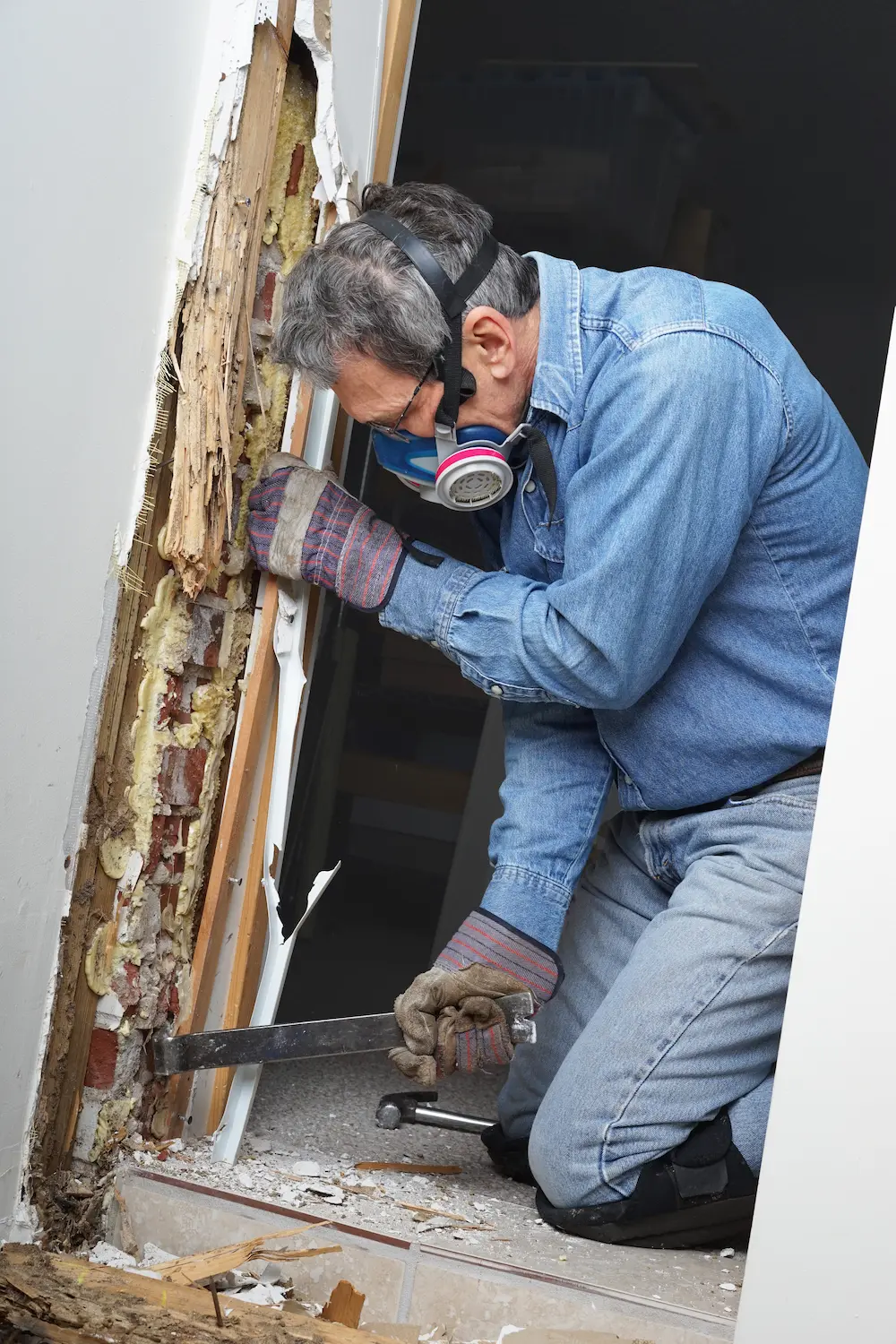
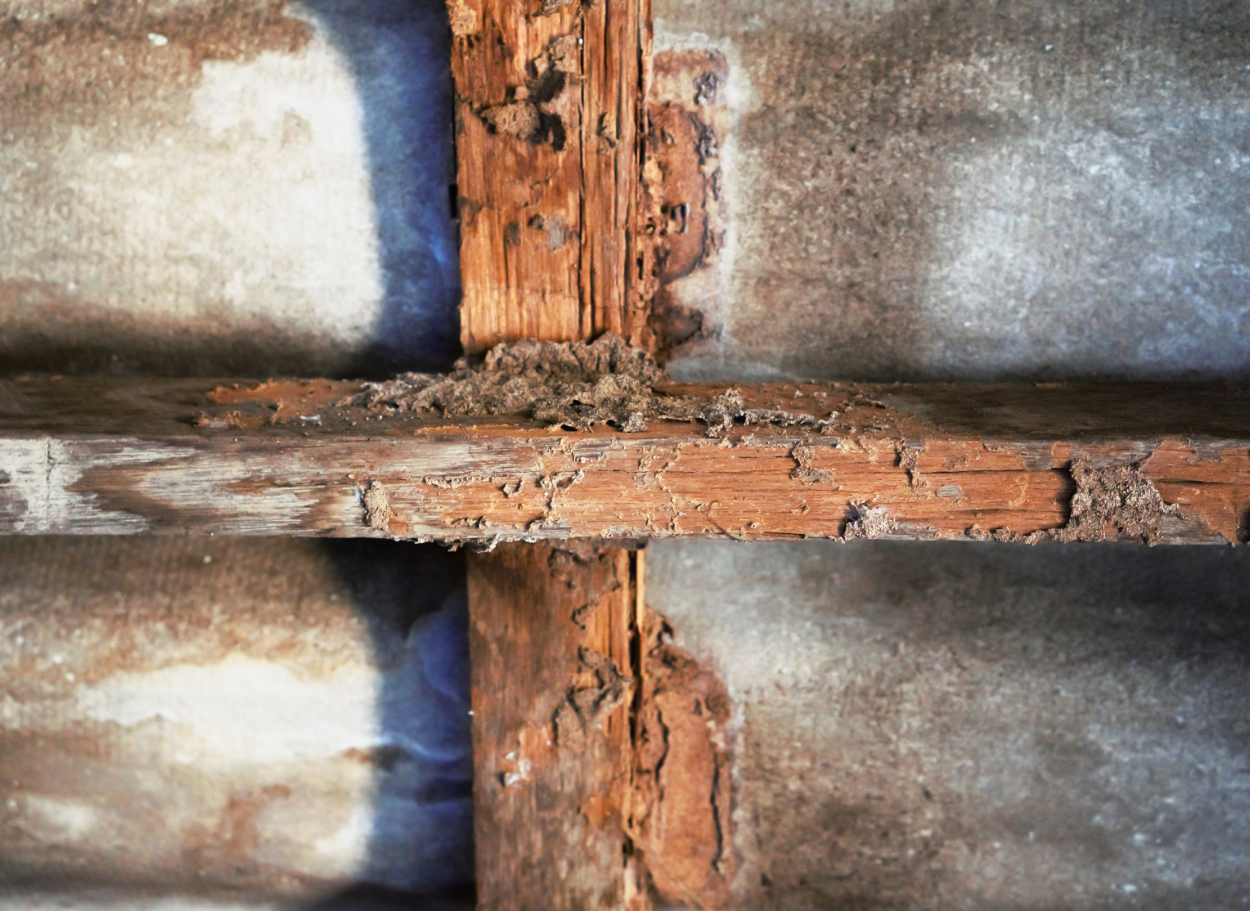
Termites are rarely discovered at the moment they arrive. More often, they are found after months or years of feeding behind walls, under flooring, Termite Control Services or inside structural wood that still looks sound from the outside. That gap between infestation and discovery explains why inspections sit at the center of professional termite control services. Treatment matters, certainly. So do repair work, moisture correction, and follow-up visits. But the inspection is where the real work begins, because it determines whether the response is precise or wasteful, timely or late, effective or temporary.
People sometimes picture termite control as a simple matter of spraying a product around the foundation. That view misses how specific termite behavior can be. A colony does not move randomly through a structure. It follows moisture, wood contact, temperature conditions, access points, and sometimes hidden construction flaws. A good inspection uncovers those patterns. Without that step, a technician may treat symptoms while the colony keeps feeding elsewhere.
In practical terms, inspections answer the questions that matter most. Are termites active now, or are we seeing old evidence from a previous issue? Which species is present? How far has the activity spread? Are there conditions on the property that make reinfestation likely even after treatment? The quality of those answers affects everything that follows, from product selection to treatment scope to how the property owner budgets for repairs and monitoring.
Why inspections carry so much weight
A professional termite inspection is not just a quick look for damaged wood. It is an organized investigation. In many homes, especially older ones, visible evidence is limited. Subterranean termites may travel inside wall voids and shelter tubes. Termite Control Services Drywood termites can remain inside isolated pieces of timber, trim, or framing. By the time paint blisters or floors feel soft, the infestation may already be advanced.
That is why experienced inspectors spend a great deal of time looking for indirect evidence. They read a building the way a mechanic listens to an engine. Small signs matter. A faint mud line where a slab meets brick veneer, a patch of bubbling baseboard paint, a chronically damp crawl space, a downspout discharging near the footing, or a fence post creating a bridge between soil and wood can all point to termite risk or active movement.
The inspection also protects the property owner from bad assumptions. I have seen cases where homeowners were convinced they had termites because they noticed winged insects around a window. In some instances, those insects turned out to be ants. In other cases, the swarmers were termites, but the source colony was not inside the home. The reverse also happens. A property owner sees no obvious sign and assumes the house is fine, while hidden activity has already progressed through a sill plate or support beam. Inspection replaces guesswork with evidence.
What a professional is actually looking for
The best termite inspections combine pest knowledge with building knowledge. A trained technician is not only looking for insects, but also studying how the structure is built and how moisture moves through it. Construction details matter. Slab homes present different challenges from crawl-space foundations. Finished basements can hide activity behind drywall. Additions, porches, attached garages, and landscaping features can create concealed entry routes that would be easy to miss without a deliberate inspection path.
Inside and outside the structure, an inspector typically evaluates several conditions at once. The process often includes direct evidence of termites, conducive conditions, and structural vulnerabilities that deserve attention even if no active colony is found that day.
Here are the core things a thorough inspection is meant to identify:
- Signs of active termite activity, such as live insects, fresh mud tubes, frass, or recently damaged wood.
- Evidence of past infestation or prior treatment, which helps interpret what is current and what is historical.
- Conditions that invite termites, including moisture problems, wood-to-soil contact, poor ventilation, and cellulose debris.
- Structural access points, from expansion joints and utility penetrations to cracks in slabs and hidden crawl-space voids.
- Areas that cannot be fully inspected, which is important because limitations affect how much certainty any inspection can provide.
That last point deserves more attention than it usually gets. Inspections are powerful, but they are not X-ray vision. Heavy storage, finished walls, insulation, inaccessible crawl spaces, and built-in cabinetry can block visibility. A responsible inspector should say so clearly. Professional termite control services depend not only on what can be found, but also on honest communication about what remains concealed.
The difference between a cursory look and a real inspection
Not every inspection carries the same value. A rushed walk-around may catch obvious mud tubes or severe exterior damage, but miss the underlying conditions that allowed the infestation to develop. A real inspection is methodical. It takes time. The technician works around the full structure, studies entry points, probes suspect wood where appropriate, checks moisture-prone areas, and looks for subtle transitions that less experienced eyes often skip.
In one fairly typical case, a homeowner called because of a soft window sill in a rear room. The visible problem was minor, and it would have been easy to focus on that one area. A broader inspection showed the bigger issue. The rear grade had been built up over the years, covering part of the slab edge. Irrigation kept the soil damp, mulch touched the siding, and an old deck ledger created a hidden moisture pocket. The window sill was simply where the damage became visible first. Treating the sill alone would have accomplished almost nothing. The inspection reframed the problem from a localized repair to a whole-entry-system issue.
That distinction matters financially as well. A targeted treatment based on weak inspection can fail, forcing retreatment and adding repair costs later. A better inspection often looks more expensive at the outset because it leads to a more complete plan, but it is usually less costly than repeated partial fixes.
Species identification changes the treatment plan
One reason inspections are essential in termite control is that species behavior drives treatment choices. In much of the country, subterranean termites are the main concern. They live in the soil, build mud tubes, and need moisture contact to survive. Drywood termites behave differently. They can live entirely within the wood they infest and do not require contact with the ground in the same way. Dampwood termites, where they occur, are strongly tied to high moisture wood and often point to leaks or chronic dampness.
A professional inspection should distinguish among these possibilities whenever evidence allows. That affects whether treatment focuses on soil barriers, bait systems, direct wood treatment, localized void applications, fumigation in severe drywood cases, or a blended approach. It also affects the timeline for monitoring and the way a technician explains risk to the client.
This is one area where generic advice tends to fail. A homeowner may read about one successful treatment online and assume it applies universally. It does not. Even within subterranean termite work, local soil type, foundation design, and construction age can influence the most practical approach. Inspections give the treatment plan its specificity.
Inspections reveal the conditions termites prefer
Termites are pests, but they are also opportunists. If a property consistently provides moisture, concealed access, and untreated cellulose, termites are more likely to establish or return. The inspection is where those underlying conditions come into view.
Moisture is often the biggest factor. A leaking hose bib, poor crawl-space ventilation, condensation around HVAC components, clogged gutters, or negative grading can quietly maintain the humid conditions termites favor. In many structures, the pest issue and the building issue are inseparable. A technician who notices termite evidence but ignores moisture management is only solving half the problem.
Wood-to-soil contact is another classic finding. Siding that extends too low, lattice panels embedded in the ground, stair stringers resting directly on soil, or deck posts without adequate separation can create easy access routes. Cellulose debris matters too. Form boards left in place after construction, buried lumber scraps, old tree stumps, and heavy mulch against the foundation all increase risk. An inspection should not merely note these conditions. It should connect them to practical corrections.
That is why good termite professionals often sound partly like building diagnosticians. They are not just hunting insects. They are identifying why the structure has become attractive in the first place.
How inspections support accurate treatment estimates
Property owners often ask for a quote before they ask for an inspection, which is understandable. The problem is that termite pricing means very little without scope. The cost of treatment depends on the size of the structure, the foundation type, the treatment method, accessibility, severity of activity, and whether damage repair or preventive work is also needed.
A careful inspection sharpens the estimate in several ways. It helps define linear footage for soil treatment, the number and placement of bait stations, whether drilling will be needed through slabs or finished surfaces, and whether limited-access spaces will increase labor time. It also helps avoid both underbidding and overbidding. If a technician assumes the worst without evidence, the property owner may pay for more treatment than necessary. If the technician assumes the issue is small and it is not, the job may be under-scoped from day one.
From a service standpoint, this is one of the least glamorous but most important roles of inspections in professional termite control services. They make the proposal more honest.
Real estate transactions raise the stakes
Inspections carry even more weight when a property is being bought or sold. In a sales context, termite findings can affect negotiations, repair obligations, lender requirements, and buyer confidence. The challenge is that real estate timelines are tight, while termite evidence can be nuanced.
A smudge of old mud tube on a foundation wall is not the same as active infestation. Damaged wood discovered in an attic may be from a past issue, with no live activity present. On the other hand, a clean-looking room with a fresh swarm event can signal an active colony nearby. A qualified inspection helps separate those scenarios.
This matters because panic often leads to poor decisions. Sellers sometimes rush into cosmetic repairs before a proper inspection, which can cover evidence without addressing the source. Buyers sometimes treat any mention of termites as a catastrophic defect when the real issue is manageable and well-contained. A good inspection report gives both sides a factual basis for next steps.
In real estate work, communication is almost as important as detection. Findings need to be described clearly, with enough precision that agents, buyers, and contractors understand what is known, what is suspected, and what needs confirmation. Vague language creates friction. Specific observations reduce it.
Technology helps, but skill still decides the outcome
Modern inspection tools can improve accuracy, especially in complex structures. Moisture meters help identify damp areas that deserve a closer look. Borescopes can provide limited access into wall voids. Infrared cameras may reveal temperature patterns associated with moisture or void irregularities, though they do not identify termites directly. Sounding tools and probes remain useful for checking suspect wood. Documentation with photos has also improved client communication and recordkeeping.
Still, tools do not replace judgment. An infrared image can be suggestive without being conclusive. Moisture readings can point to a risk area without proving termite presence. Even a probing tool requires restraint, because invasive checking in finished spaces has limits. Experienced inspectors know when a clue is meaningful, when it is ambiguous, and when a recommendation for further access is justified.
That is one reason the human side of inspections remains so important. Two technicians can walk through the same house and notice very different things. One sees only the obvious. The other notices the grading issue by the back corner, the plumbing penetration near the utility room, the old patch line on an interior wall, and the venting problem in the crawl space. Those observations are not separate from termite control. They are termite control.
Follow-up inspections are where long-term control is proven
A single inspection is the starting point, not the whole system. Effective termite management depends on follow-up, especially after treatment. The timing varies with the method used, the severity of the infestation, local termite pressure, and the property’s construction features. But the principle is constant: professional termite control services need verification, not assumptions.
Post-treatment inspections answer practical questions. Has activity ceased? Are monitoring stations showing pressure? Have repaired areas stayed dry? Did the owner correct the moisture or wood-contact conditions that made the site vulnerable? Has any new evidence appeared in previously unaffected sections of the structure?
This is especially important because termite work often succeeds quietly. Unlike some other pest problems, there may be no dramatic moment when the client can tell with certainty that the issue is gone. Termites stop appearing, tubes dry out, damage no longer expands, and monitors remain clear. Those are inspection-based confirmations. Without follow-up, everyone is guessing.
A sensible maintenance schedule depends on the property, but annual inspections are common in many settings, and more frequent checks may be appropriate after active treatment or where prior infestation was significant. High-risk structures, such as those with chronic moisture issues or a history of repeated activity, benefit from closer attention.
What homeowners can do before an inspection
Homeowners cannot perform a professional termite inspection in the full sense, but they can make the visit more effective. Access matters. When garages are packed wall to wall, crawl-space hatches are blocked, and utility closets cannot be opened fully, visibility drops. So does confidence in the findings.
A few simple preparations can improve the quality of the inspection:
- Clear stored items away from foundation walls, attic access points, and crawl-space entries.
- Make sure garages, utility rooms, and under-sink areas are accessible.
- Gather records of prior termite treatments, warranties, or repair work if available.
- Point out any leaks, swarms, soft wood, or suspicious spots you have noticed.
- Do not paint over or patch damage before the inspection, even if it looks minor.
Those steps do not replace expertise, but they help the inspector do a more complete job. They also reduce the chance that key evidence remains hidden behind storage or recent cosmetic fixes.
The value of candor in inspection findings
One hallmark of strong termite professionals is candor. Not every sign points to active infestation. Not every damaged board means structural crisis. Not every clean inspection means a property is risk-free forever. The best inspectors explain those distinctions plainly.
That honesty builds trust because termite decisions carry financial consequences. Treatment may involve trenching, drilling, localized wall access, or recurring monitoring costs. Repair work can range from modest trim replacement to major structural reinforcement. Owners deserve clear reasoning, not vague alarm.
Candor also matters when the evidence is incomplete. If a basement wall is finished and inaccessible, if a crawl space is unsafe to enter, or if dense vegetation obscures parts of the exterior, the report should state those limitations. Pretending to certainty where none exists is one of the quickest ways to undermine the value of an inspection.
In practice, many of the best service relationships are built on this kind of transparency. The property owner understands the findings, the limits, the recommended treatment, and the preventive steps that remain their responsibility. That shared understanding is what turns a one-time service call into effective long-term control.
Why inspections remain the foundation of professional termite control services
Every successful termite job starts with seeing the property clearly. Not just the insects, and not just the damage, but the entire set of conditions that allowed the infestation to happen. Inspections provide that clarity. They distinguish current activity from old evidence, tailor treatment to species and structure, reveal moisture and access issues, support accurate pricing, and create a baseline for long-term monitoring.
When inspections are rushed or treated as a formality, termite control becomes reactive. The result is often incomplete treatment, recurring activity, or expensive surprises during repairs or property sales. When inspections are thorough, termite control becomes strategic. The technician knows where to act, what to watch, and what the owner needs to correct outside the treatment itself.
That is the real role of inspections in professional termite control services. They are not a preliminary checkbox before the “real” work begins. They are the point at which the real work becomes possible.
Maximum Pest Control
836 NE 7th Terrace Suite #5
Cape Coral, FL 33909
+1 239-772-7363
FAQ About Termite Control Services
What are two signs of a termite infestation?
Mud tubes along a foundation and piles of shed wings near doors or windows are two signs to investigate. Mud tubes are associated with subterranean termites. A licensed inspector can identify the insect and assess whether there is active infestation.
How many years does a termite treatment last?
There is no single timeline for all treatments. The method, site conditions, and maintenance affect how long protection lasts. Bait systems rely on monitoring and service. Ask the provider for the recommended inspection schedule and the terms of any coverage.
Is Termite Treatment Expensive in Cape Coral?
Cost depends on the termite species, the size and construction of the property, the extent of activity, and the treatment method. Request a written estimate after inspection and ask whether monitoring, follow-up visits, and renewals are included.