What Are the Most Effective Termite Control Services Today?
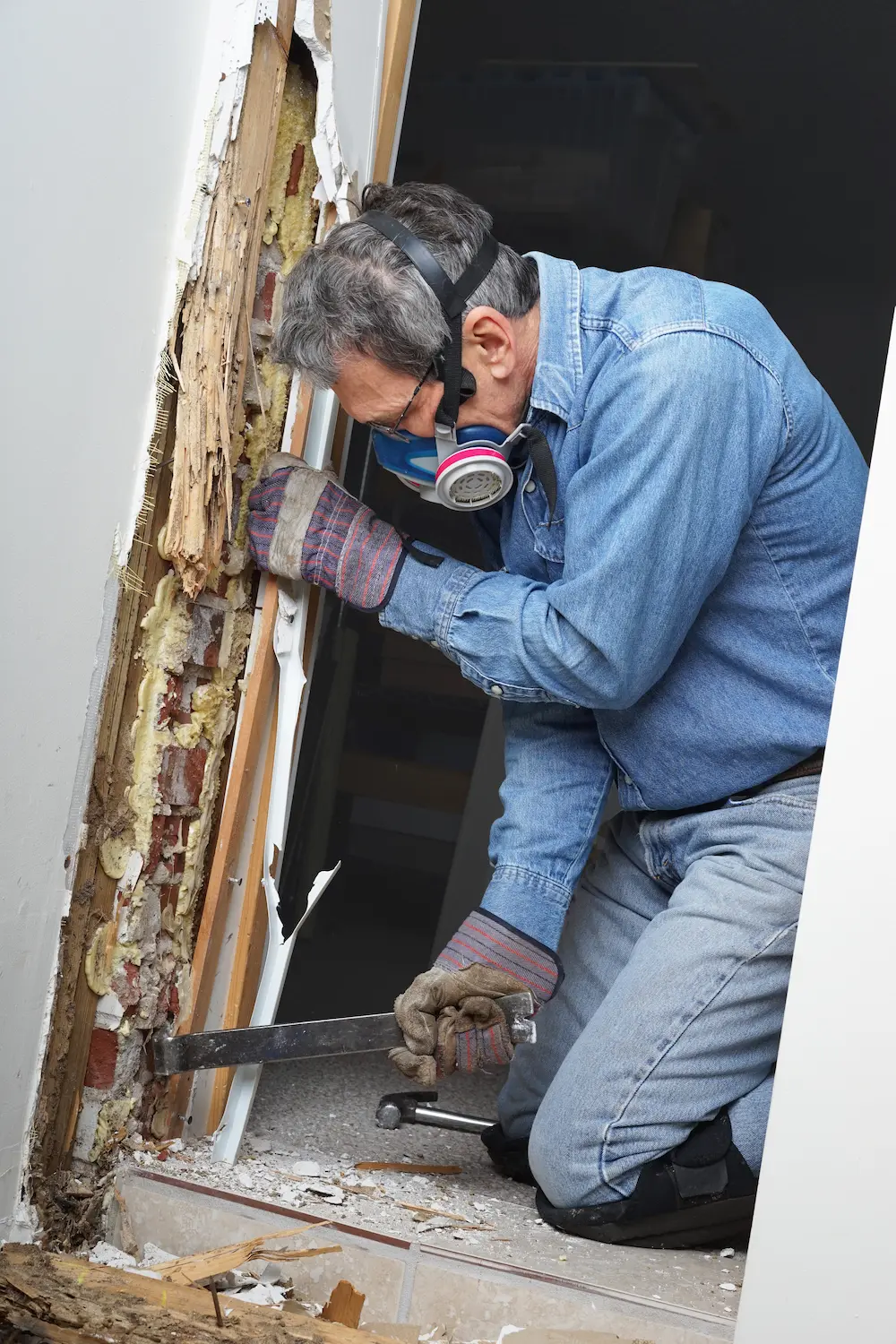
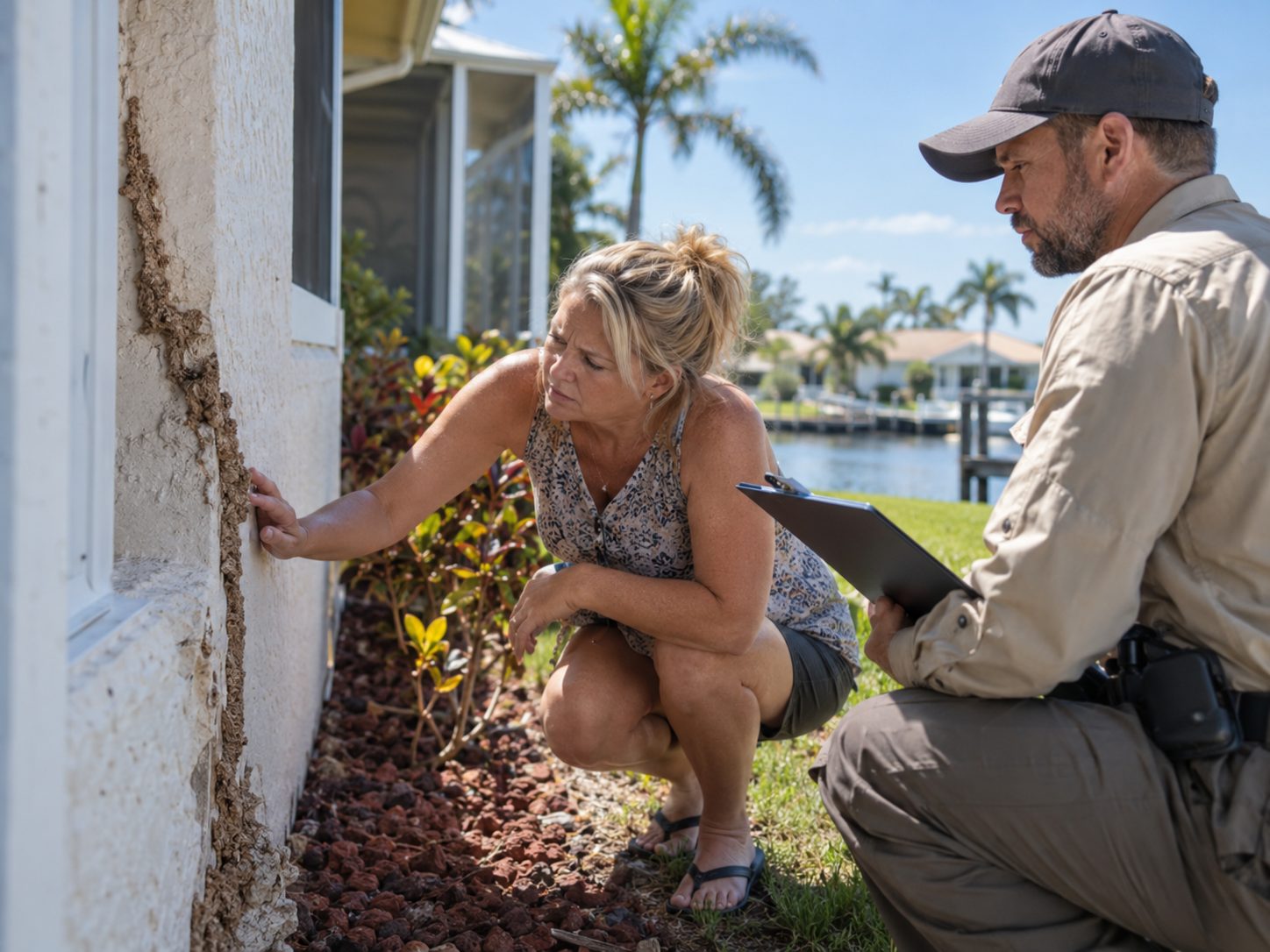
Termites do not make much noise, they do not leave obvious tracks, and they rarely announce themselves before they have already been feeding for months or years. That is what makes them expensive. By the time a homeowner notices a sagging baseboard, blistered paint, or a door frame that feels papery under a screwdriver, the colony has often been active far longer than anyone realized.
The question is not whether termite control matters. It is which termite control services actually work now, under real conditions, on real houses, with real budgets and real limits. The answer has changed over the years. Treatments that were once standard are now used more selectively. Some methods that sound less dramatic are, in practice, more reliable over the long term. And the best result often comes not from a single product, but from a service strategy that matches the species, the structure, the moisture conditions, and the severity of the infestation.
The most effective termite control services today generally fall into a few categories: liquid soil treatments, baiting systems, direct wood treatments, localized foam or dust applications, and integrated prevention work that addresses moisture and access points. Each has Termite Control Services a place. None is universally perfect. The right choice depends on what kind of termite you are dealing with and what you need the service to accomplish, immediate knockdown, colony elimination, long-term monitoring, or preventive protection.
Why the termite species changes everything
A surprising number of homeowners shop for termite treatment before they know which termite they have. That is understandable, but it is also where many bad decisions start. Subterranean termites and drywood termites behave differently, enter structures differently, and respond best to different service models.
Subterranean termites are the ones most people in the United States deal with. They live in the soil, need moisture, and travel through mud tubes to reach wood. Because they depend on ground contact and moisture, services that treat the soil or intercept termite foraging paths tend to be highly effective against them.
Drywood termites are another matter. They live inside the wood they consume and do not need contact with the soil. That changes the treatment logic. Soil barriers will not solve a drywood infestation inside roof framing or a hardwood window header. For drywood termites, the discussion often shifts toward direct wood treatment, localized injection work, or in some cases whole-structure fumigation.
This is why a proper inspection is not a sales formality. It is the foundation of the treatment plan. A serious termite company should identify the species, locate the activity, note moisture conditions, assess construction type, and distinguish old damage from active infestation. If that part is rushed, everything that follows is less trustworthy.
Liquid soil treatments remain one of the strongest options
For active subterranean termite problems, liquid soil treatment is still one of the most effective termite control services available. When performed correctly, it creates a treated zone in the soil around and sometimes beneath the structure. Termites moving through that zone contact the termiticide and carry the active ingredient back into the colony.
Modern nonrepellent termiticides changed the game. Older repellent products tended to push termites away from treated areas, which sounded good in theory but often left gaps in control. Nonrepellents work differently. Termites cannot readily detect them, so they continue moving through treated soil and spread exposure among nestmates. In field practice, that has made a significant difference.
This service is especially strong when a house has clear subterranean pressure, visible mud tubes, or a history of recurring termite activity. It is also useful where immediate structural protection matters. A bait system may eventually eliminate a colony, but a liquid treatment usually provides faster interruption of termite movement into the home.
That said, the phrase “when performed correctly” carries a lot of weight. Liquid treatment is only as good as the technician’s access, drilling pattern, trench depth, application volume, and understanding of the structure. Slab homes, porches, attached garages, hollow block foundations, and additions can all complicate a treatment. A beautiful proposal on paper means little if the applicator skips critical zones because they are hard to reach.
I have seen treatments succeed for years because the company paid attention to every transition point, expansion joint, plumbing penetration, and cold joint in the slab. I have also seen expensive failures where the perimeter looked complete, but untreated sections under an attached patio became the termites’ bypass route. Precision matters more than marketing language.
Bait systems are highly effective, especially where monitoring matters
Termite baiting systems have earned their place, particularly for subterranean termites. They are not magic, and they are not always the fastest answer, but in the right context they are excellent.
A bait system places stations in the soil around the property, usually at intervals around the foundation. These stations are inspected regularly. When termites begin feeding in a station, the monitoring material is replaced with a bait that termites carry back and share within the colony. Over time, this can suppress or eliminate the colony.
The strength of baiting lies in a few practical advantages. First, it offers ongoing monitoring, which is extremely valuable in termite-prone areas. Second, it works well where extensive trenching or drilling is undesirable or difficult, such as properties with elaborate hardscaping, radiant heat concerns, or construction details that limit liquid application. Third, bait systems can help identify fresh termite pressure even after an earlier problem appears resolved.
Homeowners sometimes become impatient with bait systems because they do not always produce instant visible results. That criticism is not entirely unfair. If a home has active interior damage and heavy pressure, bait alone may not feel aggressive enough. In those cases, many seasoned professionals favor a hybrid approach, using a targeted liquid treatment where needed and maintaining a bait system for longer-term monitoring and colony control.
Baits also rely on consistency. They are only as effective as the follow-up service. A station that is installed and then neglected is not a system, it is a promise that expired. If a company recommends baiting, ask about the inspection interval, how activity is documented, what triggers bait replacement, and what happens if stations are obstructed by roots, mulch, or landscape changes.
Direct wood treatment has a clear role, but it is not always a stand-alone fix
Wood treatment can be very effective, especially when termites are attacking known, accessible structural members. Bora-based products, for example, can penetrate unfinished wood and remain useful for years when applied properly. They are often used in crawlspaces, attics, additions under construction, or during renovations when framing is exposed.
This service shines in preventive work and in targeted remediation. If a contractor opens a wall and discovers termite damage isolated to a sill plate or a few studs, treating the replacement lumber and adjacent vulnerable wood can be smart risk management. In a crawlspace with chronic moisture issues, wood treatment may be part of a broader corrective plan.
The limitation is obvious once you think through termite biology. If subterranean termites are entering from the soil, treating wood alone does not address the route of entry. You may protect or remediate the wood that was sprayed, but the colony still has access to the structure unless the soil interface or entry point is addressed. In other words, wood treatment is often a useful component, not the whole answer.
With drywood termites, direct treatment can be more central. If the infestation is small, well-defined, and accessible, a technician may inject material directly into galleries or apply a foam formulation into voids. That can work well for isolated activity in trim, door frames, or localized roof framing. But if the infestation is broad, scattered, or difficult to map, more comprehensive methods may be necessary.
Foam and dust applications solve specific problems, not every problem
Foams and dusts are often misunderstood because they sound technical and targeted, which makes them attractive in sales conversations. Used correctly, they are helpful tools. Used as substitutes for a complete treatment when a complete treatment is needed, they become expensive detours.
A foam application allows a product to spread through wall voids, galleries, or inaccessible spaces more effectively than a simple liquid spray. Dusts can be useful in dry, protected voids where termites are active. These approaches are often used for spot treatment, especially with drywood termite activity or in concealed spaces where direct access is limited.
They are valuable when the infestation is truly localized. For example, if termite activity is confirmed in a single porch column or in one section of decorative trim, foam injection may resolve the immediate issue without broader disruption. But the phrase “localized” must be honest. If technicians do not know whether activity extends farther into the structure, spot treatments can miss satellite areas.
This is one of the most common judgment calls in termite work. A modest, focused treatment can be exactly right, or it can be too little. The difference lies in inspection quality, construction knowledge, and a technician’s willingness to say, “We need to open this area further before promising that a spot treatment is enough.”
Whole-structure fumigation still has a place, especially for drywood termites
Fumigation makes many homeowners nervous, largely because it sounds severe. In some cases, it is severe. It requires preparation, temporary vacancy, and careful coordination. Yet for widespread drywood termite infestations, whole-structure fumigation remains one of the most effective services available.
Its main advantage is reach. Fumigation can penetrate areas that are otherwise nearly impossible to treat comprehensively, behind walls, within roof assemblies, inside enclosed framing cavities, and in other hidden zones. When drywood termite activity is dispersed through multiple parts of a structure, trying to chase every pocket with injections can become uncertain and costly.
That does not mean fumigation is a cure-all. It eliminates the termites present during treatment, but it does not leave behind a lasting residual barrier in the way some other treatments do. If conditions continue to invite reinfestation, the home may still need follow-up preventive work, sealing entry points where appropriate, addressing exposed raw wood, and scheduling periodic inspections.
For homeowners weighing fumigation, the real question is not whether it sounds dramatic. The question is whether the infestation is widespread enough that local treatments are no longer dependable. When the answer is yes, fumigation may be the most efficient path rather than the most extreme one.
The most effective service is often a combined strategy
People naturally want a single best answer. Termite control rarely works that way. Some of the best results come from combining methods in a disciplined, non-overlapping way.
A home with active subterranean termites may need a liquid perimeter treatment for immediate structural defense and a baiting system for monitoring and long-term colony pressure. A renovation may include exposed wood treatment after damaged framing is replaced. A crawlspace with persistent dampness may need drainage correction, vapor barrier improvement, or venting adjustments so termites are not given ideal conditions to return.
The strongest termite control companies tend to think in systems rather than products. They understand that chemistry matters, but so do water management, grade contact, debris removal, and construction details. If a company only talks about what it sprays and never talks about what it observed, I would be cautious.
Conditions that quietly undermine termite treatment
Many treatment failures are not chemical failures at all. They are structural or moisture failures that no one addressed. A leaky hose bib, clogged gutter, wood mulch piled against siding, or soil built up above the foundation line can keep creating ideal conditions for termites long after treatment.
Here are some conditions that deserve attention during any termite service discussion:
- Wood-to-soil contact at siding, steps, lattice, or posts
- Chronic moisture in crawlspaces, basements, or around foundations
- Untreated additions, porches, or slab penetrations that create hidden access
- Landscape grading that directs water toward the house
- Stored lumber or cellulose debris under or against the structure
These do not replace professional treatment, but they often determine how durable the treatment result will be. A technician who notices and explains these factors is usually thinking beyond the invoice date.
What homeowners should ask before hiring a termite company
Most people are not in a position to judge termiticides by active ingredient or compare station designs in detail. They can, however, ask practical questions that reveal whether a company knows what it is doing.
A good starting point is to ask what evidence confirms active termites rather than old damage. That distinction matters. Then ask which species was identified and why the proposed treatment matches that species. Ask where the company expects termites are entering, what parts of the structure are hardest to protect, and whether any inaccessible areas reduce treatment confidence. Finally, Termite Control Services ask what follow-up looks like, not just the warranty language, but actual reinspection intervals and retreatment triggers.
The best answers are usually specific. Vague confidence is easy. Specifics require competence.
Cost matters, but value matters more
Termite treatment pricing varies widely by region, structure size, treatment type, and warranty terms. A baiting program may involve a lower initial cost but ongoing annual fees. A full liquid treatment may cost more up front but provide strong immediate protection. Fumigation can be expensive, especially when preparation, hotel stays, or repair work are factored in.
Cheapest is rarely safest in termite work. The more useful comparison is cost against risk. A lower bid that omits difficult treatment zones, excludes follow-up inspections, or treats only visible activity can become expensive very quickly. Likewise, the highest bid is not automatically the best if it includes services that do not match the species or scope of the problem.
In practice, I advise homeowners to compare not just prices, but treatment logic. Why this method? Why now? What is the plan if activity shows up again in six months? A company that can answer those questions clearly is giving you something more valuable than a discount, it is giving you a reason to trust the approach.
Which termite control services are most effective right now?
If we strip away the noise and focus on what performs well in current field practice, the most effective termite control services today look like this:
- Nonrepellent liquid soil treatments for active subterranean termite protection
- Baiting systems for colony suppression and ongoing monitoring
- Localized wood, foam, or dust treatments for accessible, well-defined infestations
- Whole-structure fumigation for widespread drywood termite activity
- Integrated prevention work that reduces moisture and access around the structure
The order changes from one property to another, but those are the services that consistently matter. Not every home needs all of them. Many need more than one.
What effective termite service looks like in real life
On a straightforward slab home with subterranean termites, the best service may be a complete liquid perimeter treatment, careful drilling at slab interruptions, and a follow-up inspection schedule that verifies no new activity. On a historic home with a crawlspace, old additions, and moisture issues, the smartest plan may combine targeted soil treatment, correction of drainage problems, replacement of damaged wood, and limited borate treatment in accessible framing. On a coastal property with confirmed drywood termites in multiple roof and trim areas, fumigation may be the clearest path, followed by routine inspections to catch any future reintroduction early.
Those examples matter because they show how different “effective” can look from house to house. Termite Control Services are not interchangeable. They are tools. The right one depends on the job.
A homeowner does not need to become a termite expert overnight. But it helps to know this much: the best service is not the one with the most dramatic sales pitch. It is the one that correctly identifies the termite, protects the vulnerable parts of the structure, accounts for moisture and construction realities, and includes meaningful follow-up.
That is what works today. Not gimmicks, not generic promises, and not one-size-fits-all packages. Good termite control is still what it has always been at its best, careful inspection, correct diagnosis, appropriate treatment, and enough discipline to verify that the problem is actually solved.
Maximum Pest Control
836 NE 7th Terrace Suite #5
Cape Coral, FL 33909
+1 239-772-7363
FAQ About Termite Control Services
What are two signs of a termite infestation?
Mud tubes along a foundation and piles of shed wings near doors or windows are two signs to investigate. Mud tubes are associated with subterranean termites. A licensed inspector can identify the insect and assess whether there is active infestation.
How many years does a termite treatment last?
There is no single timeline for all treatments. The method, site conditions, and maintenance affect how long protection lasts. Bait systems rely on monitoring and service. Ask the provider for the recommended inspection schedule and the terms of any coverage.
Is Termite Treatment Expensive in Cape Coral?
Cost depends on the termite species, the size and construction of the property, the extent of activity, and the treatment method. Request a written estimate after inspection and ask whether monitoring, follow-up visits, and renewals are included.